Making land rights accessible
Bringing legal education and practical support to remote communities, helping people understand and exercise their rights under Kenya's Community Land Act.
Secure land rights are essential to pastoralist livelihoods, community autonomy, and the sustainable management of northern Kenya's rangelands. Historically, however, Kenyan law has failed to recognise pastoralist communities' collective ownership of their lands and resources, leaving millions of people vulnerable to land grabbing, eviction, and environmental degradation.
Today, pastoralists have a chance to turn the page. Under Kenya's Community Land Act of 2016, communities are able to formally register and protect their collective land rights. PEAK supports pastoralist communities in Marsabit County to navigate this process and secure legal recognition of their lands.
Alongside formal registration, PEAK uses legal empowerment and human rights strategies to help communities translate legal recognition into meaningful control over their lands and resources. Through accessible legal education, participatory governance processes, and technical support for community institutions, we work to ensure that land rights are understood, exercised, and protected—and that the benefits of registration are shared equitably, including among women, youth, and other historically marginalised groups.
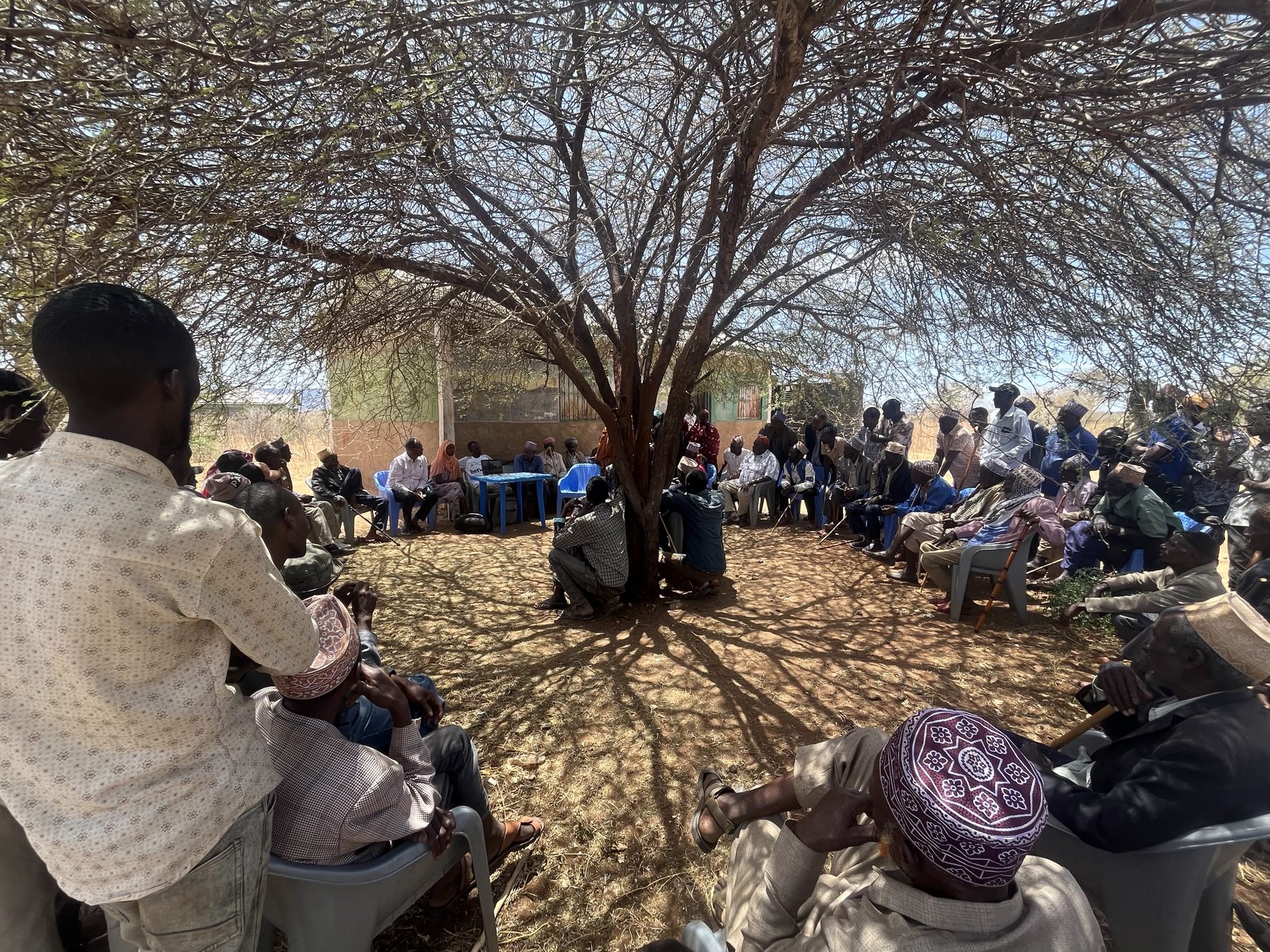
Bringing legal education and practical support to remote communities, helping people understand and exercise their rights under Kenya's Community Land Act.
Supporting community elections, participatory bylaws, and governance arrangements that build on existing pastoralist institutions and encourage inclusive decision-making.
Helping communities engage with government agencies, resolve land disputes peacefully, and assert their rights in decisions affecting their lands and resources.
Between 2018 and 2022, Marsabit County experienced severe intercommunal violence that claimed lives, displaced families, and disrupted livelihoods. Many affected households continue to face challenges accessing food, healthcare, shelter, and opportunities to rebuild their livelihoods.
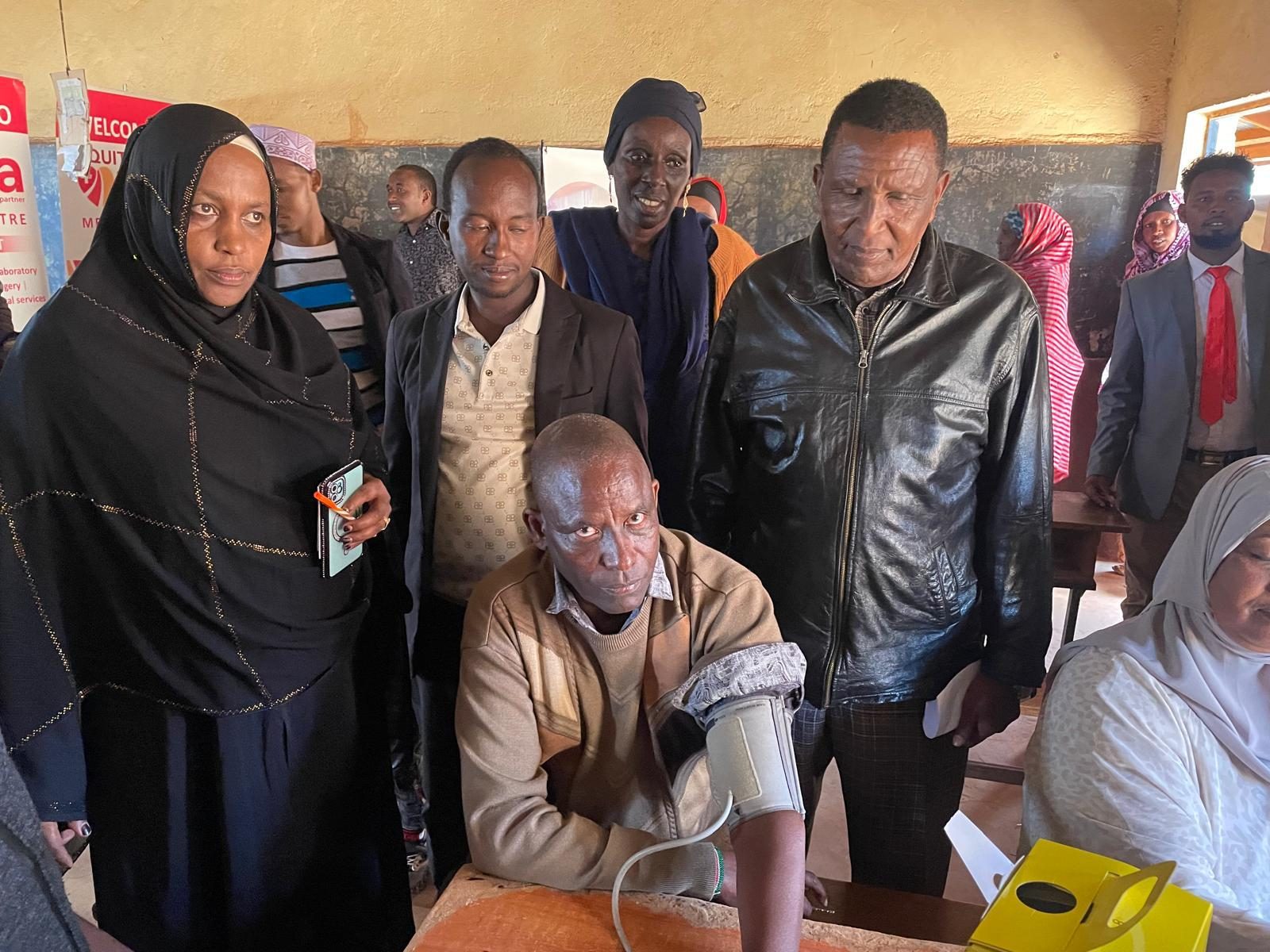
In response, PEAK has provided integrated humanitarian assistance to internally displaced persons (IDPs) and host communities affected by violence, including free medical care to over 500 displaced people, food and essential supplies to 170 households, sanitation facilities in Adhi Huqa, and school fees for 22 children.
PEAK emphasises community-led, dignified assistance that addresses immediate needs while supporting longer-term recovery and resilience.
PEAK uses participatory research, storytelling, and community education to document the experiences of pastoralist communities and deepen understanding of the issues affecting their lives. Working closely with community members, we seek to amplify local voices, share knowledge, and inform advocacy and public debate on human rights, land governance, and social justice.
Our commitment to storytelling begins with PEAK's founder, Safia Soy, whose memoir, From Across the Desert, recounts her experiences growing up in Marsabit and the challenges that inspired her work with marginalised communities. Believed to be the first published autobiography by a woman from Marsabit, Safia's story of resilience inspires others—particularly girls and young women in marginalised communities—to pursue their aspirations and shape their own futures.
No products in the cart.