Strengthening Community Land Governance in Northern Kenya: From Knowledge to Ownership
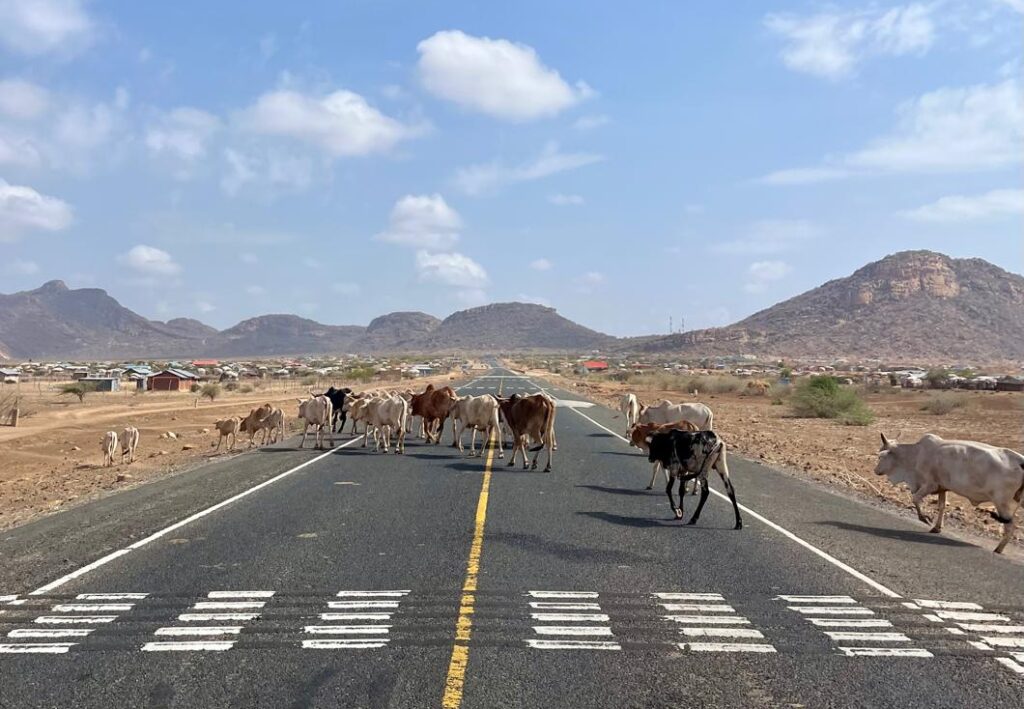
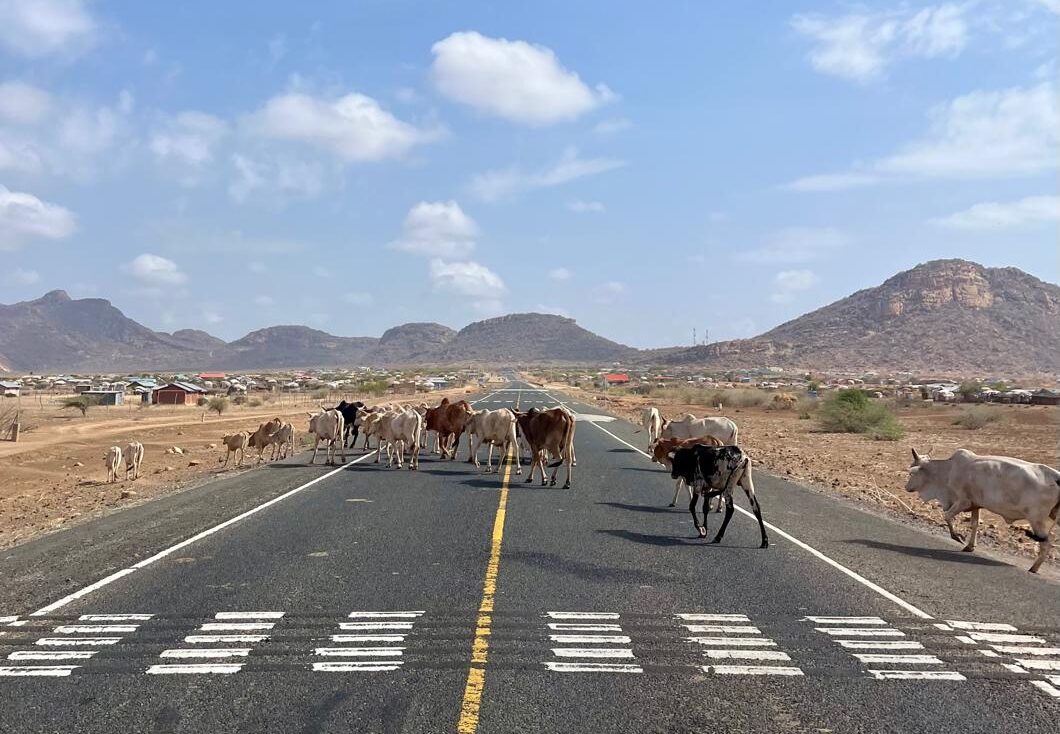
Over 60% of Kenya’s landmass is classified as community land under the Constitution. For pastoralist regions, this is not merely a statistic – it represents the legal recognition of the shared grazing systems, water management strategies, seasonal mobility corridors, and social systems that have sustained pastoral livelihoods and cultures for generations.
Ensuring that this land is governed transparently and sustainably requires more than legal recognition. It requires informed institutions, inclusive leadership, and strong community ownership.
Building Knowledge as the Foundation
Effective governance begins with understanding.
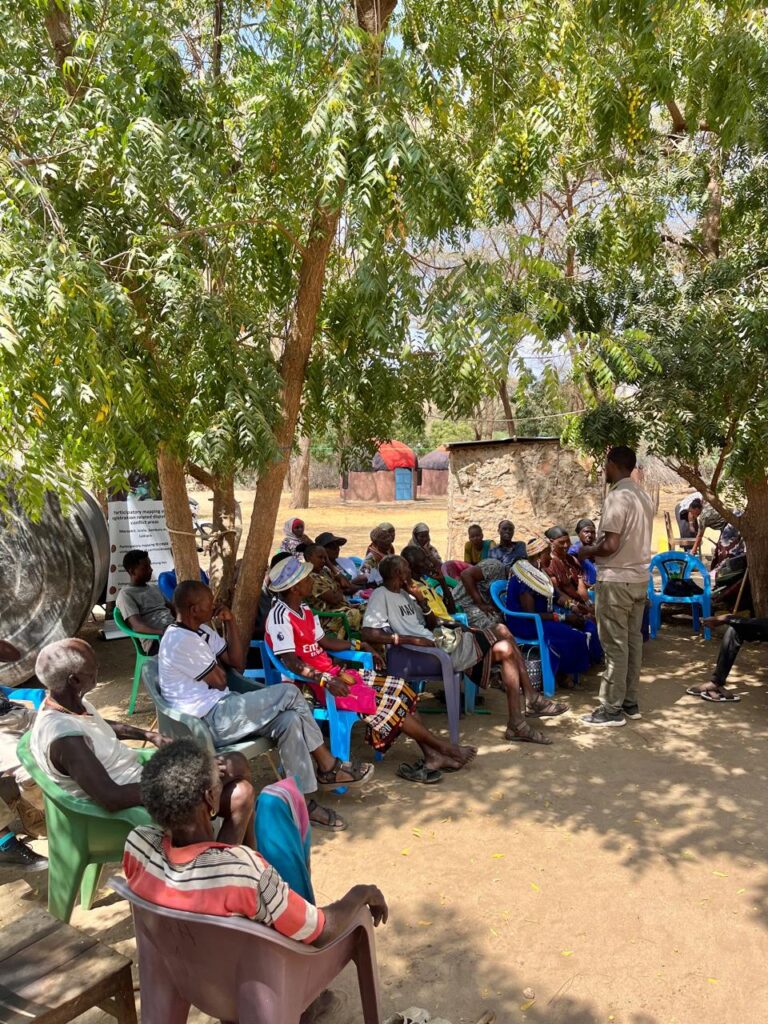
Recent engagements in Turbi Ward and neighbouring areas focused on strengthening community land committees’ knowledge of the Community Land Act 2016, clarifying mandates, roles, and responsibilities in managing shared resources.
Implemented by Pastoralist Empowerment Action Kenya (PEAK) in partnership with CRDD and IREMO, these capacity-building efforts aimed to equip local institutions with the tools necessary to guide responsible land governance processes.
This work aligns with Kenya’s constitutional provisions on community land and contributes to broader global commitments such as:
- SDG 16 – Inclusive and accountable institutions
- SDG 5 – Participation and representation in decision-making
- SDG 15 – Sustainable land management
Strengthening governance literacy is not an event, it is a long-term investment in institutional resilience.
Bridging Tradition and Constitutional Frameworks
In pastoralist communities, governance systems did not begin with legislation. Indigenous structures, including councils of elders and consensus-based decision-making, have long guided resource stewardship.
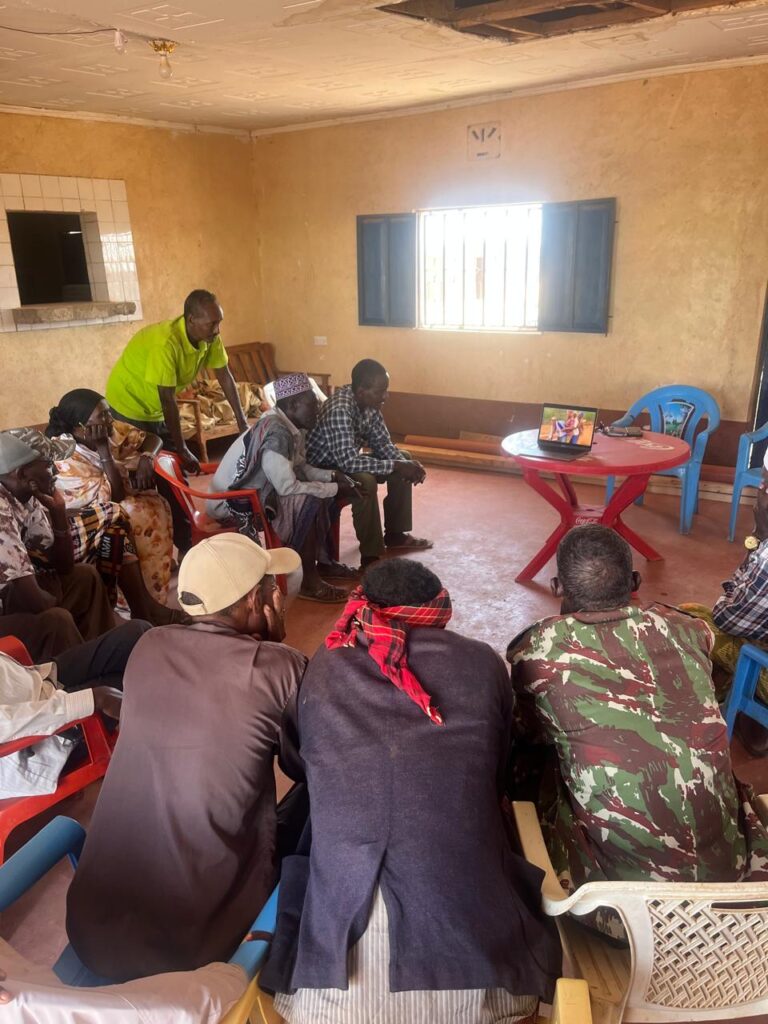
Encouragingly, community dialogues highlighted that formal Community Land Management Committees (CLMCs) are most effective when they complement, rather than replace, these traditional systems.
This integrated approach reflects principles articulated in the Voluntary Guidelines on the Responsible Governance of Tenure (VGGT), which emphasize respect for legitimate customary tenure systems alongside statutory law.
When traditional wisdom and constitutional frameworks align, governance gains both legitimacy and structure.
Inclusion Strengthens Accountability
Sustainable governance requires broad participation.
Discussions across the wards emphasized the importance of ensuring that women, youth, elders, and diverse community voices are represented in land management processes. Inclusive leadership strengthens transparency, builds trust, and reinforces collective accountability.
Globally recognized under SDG 5 and SDG 16, inclusive decision-making is not only a development priority, but also essential for legitimacy and long-term stability in community resource management.
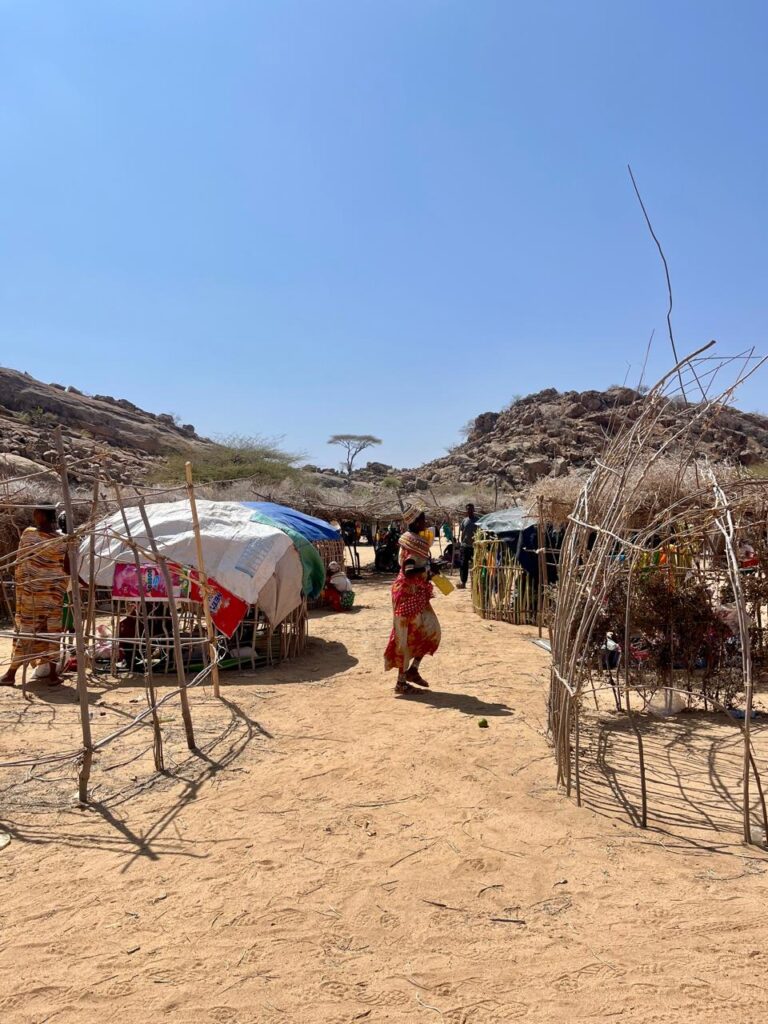
From Awareness to Ownership
Perhaps most importantly, communities are demonstrating growing commitment to taking ownership of their land governance journey.
Secure community tenure is widely recognized as foundational for resilience, climate adaptation, and sustainable development. But locally, it begins with something simple: communities choosing to lead.
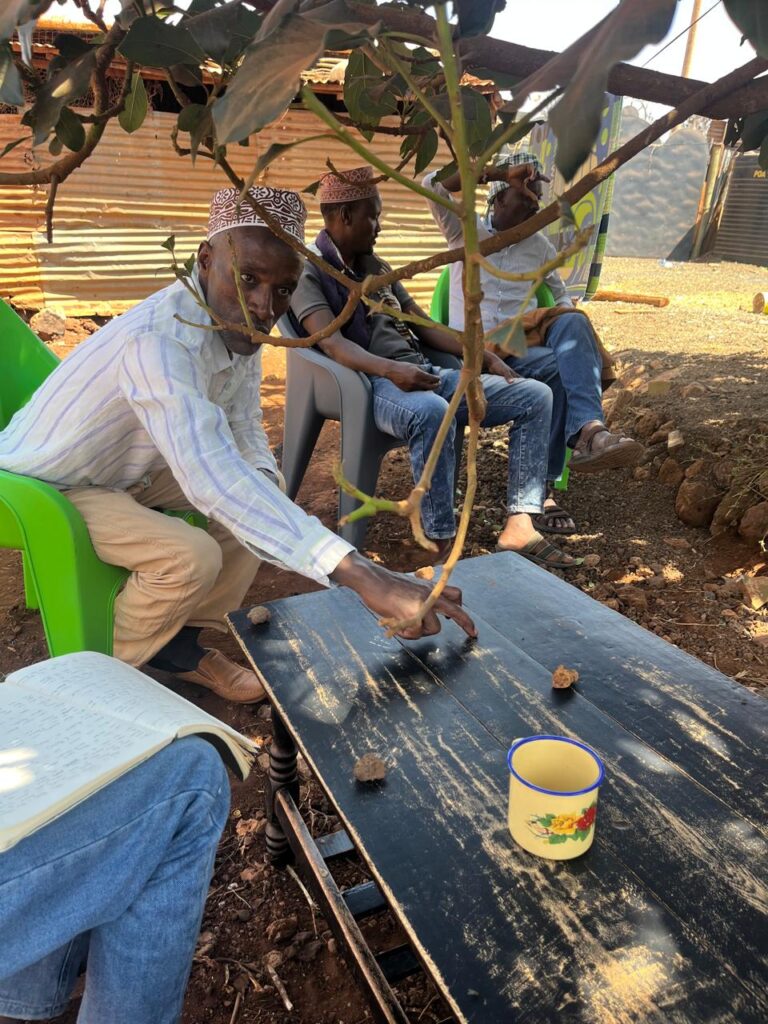
Through structured dialogue, capacity strengthening, and collaborative planning, local institutions are moving from awareness to action, strengthening governance processes and advancing responsible land registration pathways.
Ownership is not symbolic. It is responsibility in action.
A Shared Commitment
Strengthening community land governance in Northern Kenya is not about confrontation. It is about capacity, collaboration, and long-term resilience.
When knowledge is strengthened, tradition is respected, participation is broadened, and ownership is embraced, community land governance becomes more than compliance with law – it becomes a pathway toward sustainable development.